





10 Minutes reading time
Search Engine Marketing (SEM): Definition and Tips
Search Engine Marketing (SEM) improves the visibility of websites through search engine optimization (SEO) and paid advertising (SEA). This allows companies to reach more customers and increase their sales. In this article, you will learn how SEM works and how it can support your marketing goals.
Key facts at a glance
- Search Engine Marketing (SEM) includes both search engine optimization (SEO) and search engine advertising (SEA) to improve the visibility of websites in search engine results.
- The combination of on-page and off-page optimization is crucial for a successful SEO strategy, while SEA enables quick visibility through paid ads.
- An integrated strategy of SEO and SEA maximizes the effectiveness of marketing measures, supports targeting and improves the user experience.
What is Search Engine Marketing (SEM)?
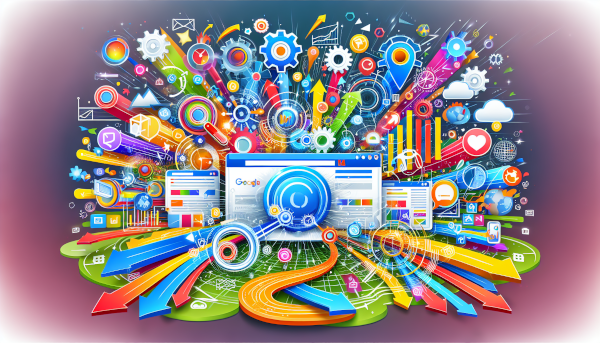
The term Search Engine Marketing (SEM) covers all measures to improve the visibility of websites in search engine results. SEM is an umbrella term that includes both search engine optimization (SEO) and search engine advertising (SEA). The two main types of marketing in search engine rankings are SEO and SEA. In today's world where online marketing plays a central role, SEM can help companies achieve their goals such as increasing sales, brand awareness and lead generation.
Companies that have up-to-date knowledge of SEM can gain a competitive advantage. By combining SEO measures and paid search engine advertising, companies can effectively increase their web presence and reach their target audience. Various marketing objectives can be pursued through SEM, making it a versatile tool.
SEM is an integral part of online marketing and can leverage SEO for content marketing and other efforts. However, the role of SEM doesn't stop at visibility; it's also about targeting the right customers at the right time and thus maximizing the ROI of your marketing efforts. Now let's dive deeper into the role of search engine optimization (SEO) in SEM.
The role of search engine optimization (SEO) in SEM
Search engine optimization (SEO) is a method for improving a website's backlinks for relevant keywords in search engine results pages. The main goal of SEO is to increase a website's visibility in search results. SERPs (Search Engine Results Pages). SEO encompasses a variety of strategies and tactics aimed at improving both user experience and rankings. Search engine optimization is an essential part of these strategies.
However, SEO measures are time-consuming and bring slow but long-lasting results. It can take up to six months for these measures to be registered in the organic search of search engines. Nevertheless, they enable favorable signals for search engine crawlers.
SEO can be divided into two main categories: OnPage optimization and OffPage optimization.
OnPage Optimization
OnPage optimization refers to the adjustment of elements such as meta tags, content structure and internal linking to improve the website. These optimizations include technical and structural adjustments aimed at improving the ranking in search engines. Important elements of OnPage optimization are the quality of the content, the URL structure and internal linking.
Through targeted on-page optimization, companies can ensure that their websites are attractive to both search engines and users. This includes creating high-quality content that is not only informative but also appealing to visitors.
A well-executed on-page optimization leads to improved visibility and increased visitor numbers on the website.
OffPage Optimization
OffPage optimization focuses on external factors such as Backlinks and social signals that increase the authority of a website. In contrast to on-page optimization, which focuses on the website itself, off-page optimization refers to measures outside of the website itself that can still have a significant impact on the ranking.
An essential part of off-page optimization is the creation of high-quality backlinks. Links from other websites increase the credibility and authority of your site in the eyes of search engines.
Social signals, such as shares and likes, can also play a role by increasing the reach and visibility of your content. By combining on-page and off-page optimizations, companies can develop a holistic SEO strategy that is successful in the long term.
Search engine advertising (SEA) as part of SEM
Search engine advertising (SEA) includes measures in the context of paid listings in search engines and social media. Paid search results place a website on selected search terms, which enables companies to quickly increase their visibility. The three main characteristics of SEA are: paid, fast and short retention period.
Keywords play a central role in SEA because they determine the direction of the advertisements and reduce wastage. A key advantage of paid advertisements in search engines is the ability to position the website in one of the first four positions for search terms.
Now let’s dive deeper into the world of PPC advertising and Google Ads.
PPC Advertising
Pay-per-click advertising (PPC) is a model in which advertisers pay for each click on their ads. This allows for targeted targeting and can provide instant visibility in search engine results. The ad text plays a key role in whether a searcher clicks on the ad or not.
PPC advertising is especially useful for businesses that want to see results quickly. By paying per click, companies can closely control their spending and ensure they only pay for actual interactions with their ads.
This makes PPC an effective method to increase visibility in the short term and to specifically target potential customers.
Google Ads
Google Ads is a powerful search engine advertising tool that allows businesses to run targeted ads. The AdWords Keyword Planner helps conduct keyword research, including checking search volumes and generating new keyword ideas.
With Google Auction Insights, you can analyze your competitors' impression share and compare their average position. Google Ad Preview and Diagnostics shows in real time whether an ad will be published for specific keywords, taking into account location and device.
These tools allow companies to precisely plan and optimize their campaigns to achieve the best possible results. By using Google Ads, companies can significantly increase their visibility in the SERPs and effectively reach their target audiences.
Integration of SEO and SEA
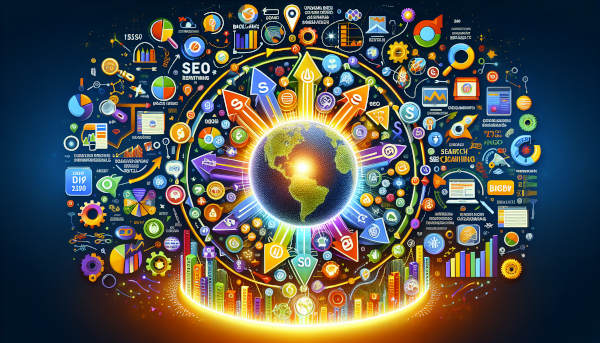
Combining SEO and SEA can significantly increase the visibility of a website by having both strategies work together synergistically. Detailed keyword research is crucial for success in both areas, as the results of one area can be used to optimize the other. By analyzing click behavior and conversion data from SEA, you can make informed decisions for keyword optimization in SEO.
A consistent brand presentation in ad copy and organic search results can be achieved by aligning metadata. Integrating SEO and SEA allows companies to refine their marketing strategies and build a coherent online presence. This leads to an improved user experience and a higher likelihood that visitors will convert into customers.
By combining both approaches, companies can take advantage of long-term SEO results and immediate SEA results. This creates a comprehensive strategy that addresses both short-term and long-term goals and maximizes the effectiveness of marketing efforts.
Importance of SEM in online marketing
The vast majority of users rely on search engines when searching for products or information, which makes SEM indispensable. Search engine marketing is now one of the most effective methods of reaching targeted customers and making the most of marketing budgets. German companies are investing increasingly larger shares of their marketing budgets in SEM, especially in search engine advertising.
Search engine advertising (SEA) is particularly effective for increasing sales and generating leads. By placing your business in the top search engine results and search engine advertising (SEA), companies can increase their visibility and address potential customers directly. The use of a search engine is crucial here. Search engine marketing also plays an important role.
SEM has established itself as an indispensable tool in online marketing that helps companies achieve their goals efficiently.
Important tools and resources for SEM

For effective SEM campaigns, specialized tools are crucial that support the analysis and optimization of search engine rankings. The Google AdWords Editor allows you to create and edit campaigns offline, which is especially useful for larger accounts.
These tools help companies refine their SEM strategies and achieve their goals.
SEO tools
SEO tools are crucial for analyzing organic search results and identifying optimization potential. Seobility offers comprehensive functions for analyzing and optimizing websites, including crawling and Backlinks-Analysis.
Screaming Frog SEO Spider is often used for technical audits and helps to identify problems such as broken links. SISTRIX enables competitive analysis and offers a visibility Index to evaluate organic visibility compared to the competition.
Ahrefs is a comprehensive SEO tool that integrates keyword research and competitive analysis features. SE Ranking offers an all-in-one platform that provides various SEO analysis and promotion tools.
SEA tools
Pay-per-click advertising (PPC) allows companies to pay only for actual clicks on their ads, which improves cost control. On the comparison portal OMR you can find information and real user reviews from SEA professionals. This portal allows you to compare the best SEA tools and offers a platform for user reviews.
PPC (pay-per-click) advertising requires advertisers to pay only for actual clicks on their ads, making it a cost-effective tool for increasing visibility and targeting audiences.
Common mistakes in SEM and how to avoid them
A common mistake in SEM is inadequate communication within the team and with other stakeholders, which can affect clear objectives and strategic direction. An SEM audit can reveal unused opportunities and thus help to identify weaknesses. The goal of an SEM audit is to recognize existing strengths and identify optimization potential.
Conducting SEM audits should be regularly integrated into the SEM strategy to ensure continuous improvement. This helps companies adapt their strategies and ensure they stay up to date with the latest developments in SEM.
Summary: Key takeaways about intuitive eating
In summary, search engine marketing (SEM) is an essential strategy in online marketing. It combines the long-term benefits of search engine optimization (SEO) with the immediate impact of search engine advertising (SEA). By integrating both approaches, companies can maximize their visibility in search engines and efficiently achieve their marketing goals. The key components of SEM - from keyword research to website optimization to paid advertising - offer a comprehensive solution for increasing online presence.
By using the right tools and resources, avoiding common mistakes and following a well-thought-out SEM strategy, companies can gain a competitive advantage and effectively reach their target audiences. It is important to continuously learn and adapt to the changing algorithms and trends in order to remain successful in the dynamic environment of online marketing. Be inspired by the possibilities of SEM and put the lessons learned into practice to increase your digital visibility and achieve your business goals.
Frequently Asked Questions
What is the difference between SEO and SEA?
The difference between SEO and SEA is that SEO optimizes a website's organic search results, while SEA uses paid ads to increase visibility immediately.
How long does it take for SEO measures to take effect?
SEO efforts typically take up to six months to be picked up by search engines and produce visible results. It is important to be patient while the optimizations take effect.
What are the advantages of integrating SEO and SEA?
The integration of SEO and SEA increases the visibility of a website through synergistic cooperation, allowing both short-term and long-term goals to be achieved effectively. This leads to improved performance in search results.
Which tools are useful for an effective SEM campaign?
For an effective SEM campaign, Google Ads and comparison portals such as OMR are crucial, while tools such as Seobility, Screaming Frog and Ahrefs for SEO are helpful.
What common mistakes should be avoided in SEM?
A common mistake in SEM is inadequate communication within the team, as well as the failure to conduct regular audits that could reveal valuable optimization potential.