






13 Minutes reading time
What is brand design and why is it important? Brand design determines how your brand is perceived visually. In this article, you will learn the most important strategies and elements to make your brand successful.
Key facts at a glance
- A strong brand design conveys a brand’s identity and values through consistent visual elements such as logo, colors and typography.
- Consistency in brand design promotes trust and recognition among customers, leading to stronger brand loyalty.
- Adapting brand design to different digital platforms is crucial to ensure consistent brand identity and effective communication.
Brand Design: Successful Strategies for Your Brand
A strong brand design is based on a clear strategy that reflects a brand's identity and values. It's about integrating creative and visual elements that work together to create a consistent and appealing look. But what are the key strategies that make a successful brand design?
First, it is crucial that the brand design emphasizes the uniqueness of the brand. In a competitive market, your brand needs to stand out and stand out from the crowd. This can be achieved through the clever use of colors, typography and other visual elements that clearly communicate your brand's core message and values. A well-thought-out brand design integrates these elements harmoniously and ensures a consistent visual appearance.
Another important aspect is consistency. All visual elements, from the logo to the marketing materials, should be designed in a uniform manner to ensure a coherent brand identity. Clear and consistent design builds customer trust and promotes brand recognition.
Ultimately, a strong brand design ensures that your brand is not only visually appealing, but also evokes the desired emotions and associations in your target audience.
Preface
Brand design is the contemporary implementation of brand elements that offers creative expression and ensures topicality. In an increasingly visual world, it is essential that brands communicate their identity through a strong and coherent design. This begins with the strategic definition of frameworks that serve as guardrails for creative development and brand management.
An important distinction is between the ephemeral aspect of brand design and the consistent brand style. While brand design is dynamic and adaptable, brand style describes the fundamental, consistent presentation of a brand. This is especially important in companies with multiple brands, where clear brand rules must be established to maintain brand identity and avoid dilution.
Now more than ever, companies need to ensure that their brand identity remains strong and consistent. This requires careful planning and implementation of all visual elements to ensure that the brand message is communicated clearly and memorably.
The combination of strategic framework and creative design is the key to successful brand design that reflects the personality and values of a brand and differentiates it in the market.
What is brand design?
Brand design is the art and science of visually representing a brand. It includes all the visual information that represents a company and shapes the brand identity. The goal is to create a unique brand identity that stands out from competitors and builds a strong emotional connection with customers.
The key elements of brand design include logo, colors and typography, which together form a harmonious and unified brand identity. The integration of these design elements creates a consistent visual appearance that strengthens brand perception and clearly communicates the brand message.
A successful brand design also takes the target group and their expectations into account. The design should be chosen in such a way that it appeals to the target group and reflects their needs and desires. This leads to a coherent visual identity that strengthens the brand identity and forms the basis for effective brand communication.
The importance of a strong brand design
A strong brand design is crucial for the success of a brand. It reflects the values and competencies of the brand and helps differentiate it from competitors. In a highly competitive environment, a successful brand design enables the brand to position itself clearly and present a distinctive identity.
The visual identity of a brand directly influences how potential customers perceive the brand and what expectations they have of it. Colors, shapes and typography play a central role in this. Colors can evoke emotional reactions and thus significantly influence brand perception. The choice of color palette has a direct impact on the perception of product performance and can influence consumers' purchasing decisions.
A consistent brand design strengthens customer relationships and promotes long-term customer loyalty. Customers who choose a brand experience less effort when comparing alternatives and remain loyal to the brand. Ultimately, a strong brand design means that the brand is not only visually appealing, but also builds trust and loyalty among customers.
Central elements of brand design
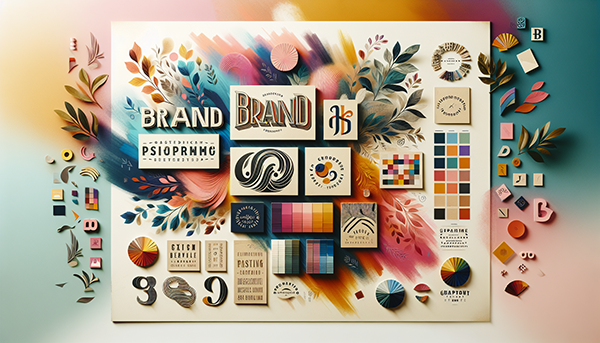
The core elements of brand design are crucial to creating a consistent and strong brand identity. These elements include the logo, color palette and typography, which together create a coherent visual identity. Each of these elements plays a unique role and contributes to the overall design of the brand.
Effective brand design integrates these different design elements to create a consistent visual appearance. This not only ensures a consistent presentation of the brand, but also ensures that the brand message is communicated clearly and memorably.
White WaveDesign logo
The logo is the face of a brand and one of the most important elements of brand design. An effective logo should be simple and easily recognizable to clearly convey the brand's core message and enable quick recognition. A striking logo should have a clear design language that evokes immediate associations with the brand.
A good logo is characterized by its uniqueness and recognition. It should reflect the unique characteristics of the brand and at the same time offer a high level of recognition. This requires a careful design that is both aesthetically pleasing and functional. With us you can Have a logo created.
Colors
Colors are a powerful tool in brand design because they can influence emotions and moods that shape the perception of a brand. The choice of colors can evoke certain associations that stick in consumers' minds and strengthen brand perception.
Consistent use of colors is crucial for strengthening brand identity and fostering emotional ties to the brand. Different colors can influence consumers' purchasing decisions and thus increase product performance.
typography
Typography plays an essential role in brand design as it supports readability and emotional appeal to the target audience. The choice of font can be crucial for brand perception as it evokes different emotions and associations.
Well-chosen typography can have a significant impact on a brand's image and should be used consistently across all media to support the brand's emotional appeal. The legibility of fonts is crucial for a positive brand perception.
The process of brand design development
Developing a brand design is a structured process that involves several phases to ensure the brand is positioned effectively. This process begins with strategic analysis and includes considering different media and platforms to create a unified brand identity.
A brand design manual serves as a comprehensive guide for the visual identity of a brand and should contain elements such as colors, fonts and logos. Cooperation with a design agency can help to optimize or redesign the brand identity in a targeted manner.
kick-off and briefing
The brand design development process begins with a kick-off meeting, which is essential to bring all project participants up to speed and clarify the project goals and next steps. The kick-off meeting serves to clarify the project goals and requirements, which serve as the basis for the entire design process.
At the beginning of the process, a detailed brief should be created to define the brand identity and establish the specific requirements for the brand design. This ensures that all stakeholders have a common understanding of the brand vision and desired outcomes.
research and analysis
Thorough research and analysis are crucial for developing a successful brand design. A precisely defined target group enables targeted communication and strengthens the brand identity. Through target group analysis, brand communication can be continuously optimized and adapted to the needs of the target group.
The insights from the target group analysis are used to develop a customized brand design that strengthens the brand identity and clearly communicates the brand message. This leads to more effective brand communication and a stronger emotional connection to the brand.
development of the brand strategy
Developing an effective brand strategy is an essential part of brand design. A well-defined brand strategy lays the foundation for all design decisions and ensures a coherent brand identity. It includes defining the brand positioning, brand promise and brand values, which serve as a guide for all design decisions.
A solid brand strategy must be authentic and reflect the brand's true values and goals. This helps the brand appear credible and trustworthy and builds a strong emotional connection with customers.
implementation and application of the brand design
Brand design implementation should be carried out across all brand touchpoints to ensure a consistent brand experience. This includes both digital and physical channels to ensure the brand identity is presented in a consistent and engaging way.
A strong brand design promotes customer trust and makes it easier to sell products and services. A compelling brand design enables customers to emotionally identify with the brand and build a long-term relationship.
Adapting brand design to digital platforms requires that corporate design remains consistent and brand identity is communicated across all touchpoints. A well-crafted digital brand design considers both visual elements and user experience to encourage user engagement and interaction.
The role of design agencies
Design agencies play a crucial role in optimizing and redesigning brand identity. The selection of a design agency should be based on the portfolio, communication skills and industry knowledge. In addition, design agencies are often crucial to the success of a brand.
A good design agency brings extensive expertise and experience in branding that is beneficial for brand development. They can help companies optimize or redesign their brand identity in a targeted manner. Working with an agency allows companies to focus on their core competencies while the agency takes care of the branding.
An objective perspective from an agency can help provide unbiased insights into brand perception, leading to more effective brand communication and a stronger emotional connection to the brand.
Contact our graphic design agency to create your brand design.
Brand Design in the Digital World

In today’s digital landscape, brand design must work on different devices and screen sizes, which responsive design Responsive web design is crucial to ensure that a website works well and remains aesthetically pleasing on different devices, including smartphones and tablets.
Consistent brand communication across multiple channels is critical to maintaining a unified brand identity. Multichannel communication allows brands to reach their target audiences where they are, increasing reach and engagement.
Adapting brand design to social media requires specific visual strategies to communicate effectively on different platforms. This includes creating content that is tailored to each platform and communicates the brand message clearly and engagingly.
Best Practices for Successful Brand Design
Successful brands like Apple, Nike and Starbucks offer valuable insights into brand design best practices. Apple's minimalist design and consistent aesthetic underscore their values of innovation and elegance. Nike's swoosh symbolizes movement and energy and is complemented by the memorable slogan 'Just Do It'.
Starbucks uses a green color palette that communicates freshness and sustainability to create a welcoming experience. Airbnb's logo symbolizes belonging and uses a vibrant color palette to represent cultural diversity.
These examples show that successful brand design aims to communicate a brand's core messages and values clearly and memorably. Best practices include understanding the target audience, applying design elements consistently, and adapting to different media and platforms.
Brand design and brand design at LikeMeASAP
LikeMeASAP specializes in creating professional logos and graphics that reflect a brand's identity. The agency places great emphasis on fast turnaround times for design projects and often delivers results within one day.
Client feedback highlights LikeMeASAP's strong communication and professionalism during the design process. In addition to logos, the agency also offers a variety of design services, including banners and marketing materials.
LikeMeASAP's approach to brand design effectively integrates clients' ideas into the final product, ensuring that the design is not only aesthetically pleasing but also functional.
Corporate Design Creation at LikeMeASAP
LikeMeASAP specializes in creating customized logos that reflect a company's identity and values. The logo creation process includes several phases, from finding inspiration to digital execution.
A key feature of a good logo, as emphasized by LikeMeASAP, is its ability to clearly convey the brand's values and identity. The team at LikeMeASAP uses modern design tools to produce high-quality logos suitable for various media.
The logo services include the provision of all necessary file formats for optimal use in digital and printed applications. The agency focuses on to create logosthat are not only visually appealing but also improve brand recognition.
Summary: Key takeaways about intuitive eating
A strong brand design is crucial to the success of a brand. It creates a unique and coherent brand identity that stands out from competitors and builds a strong emotional connection with customers. The central elements of brand design - logo, colors and typography - play an essential role in this.
Developing a brand design is a structured process that includes strategic analysis, creative design and consistent implementation. Design agencies like LikeMeASAP offer valuable support in optimizing and redesigning brand identity.
Ultimately, a strong brand design means the brand is not only visually appealing, but also builds trust and loyalty with customers. Use the strategies and best practices presented in this guide to strengthen your brand identity and differentiate your brand from the competition.
Frequently Asked Questions
What is the importance of brand design?
Brand design plays a central role in developing a distinctive brand identity that both emphasizes the difference from competitors and promotes customer loyalty. A well-thought-out brand presence is therefore essential for the long-term success of a company.
Which elements are central to effective brand design?
The key elements of effective brand design are the logo, colors, and typography, as they work together to create a consistent brand identity. These elements are crucial to driving brand recognition and creating a strong connection with the audience.
How does research contribute to the development of brand design?
Research and audience analysis are crucial to developing an effective brand design as they help strengthen the brand identity and clearly communicate the brand message. Thus, careful research directly contributes to the creation of a tailored and engaging design.
Why should companies work with a design agency?
Companies should work with a design agency as they bring expertise and an objective perspective that are crucial to optimizing and redesigning brand identity, which can significantly increase competitiveness and brand perception.
What are best practices for successful brand design?
Successful brand design requires understanding the target audience, applying design elements consistently, and adapting to different media and platforms. These practices are critical to ensuring a strong brand identity.