






7 Minutes reading time
Key Findings
AI Shopping By 2026, this is no longer a future topic, but is already changing product search in the E-commerce.
- AI systems Services like GPT-4o, Google, Perplexity, and Amazon Rufus provide direct product recommendations in the chat.
- Structured product data are crucial: Without clean data, visibility in AI shopping environments decreases.
- Generative Engine Optimization (GEO) This is the new era of optimizing product data for AI systems.
- Reviews, trust signals, SEO, Content and Backlinks decide whether to recommend products.
- LikeMeASAP supports online shops with advice, GEO, Premium backlinks and content. Book a free initial consultation.
Introduction: What does “AI Shopping” mean for e-commerce in 2026?
A user no longer just types into a search engine, but asks: "Show me vegan sneakers under €120 in German shops." KI responds with a specific selection, prices, dealers and reviews.
AI Shopping means online shopping via Artificial IntelligenceChatGPT, GPT-4/5, Google AI Overviews, Perplexity, and Amazon's Rufus understand desires, preferences, and purchasing decisions. Since 2024/2025, organic product grids, shopping functions, and AI assistants have been emerging that guide people to the right product more quickly. For companies, this is both an opportunity and a challenge: only clear data, trustworthy text, and technical integrity count.
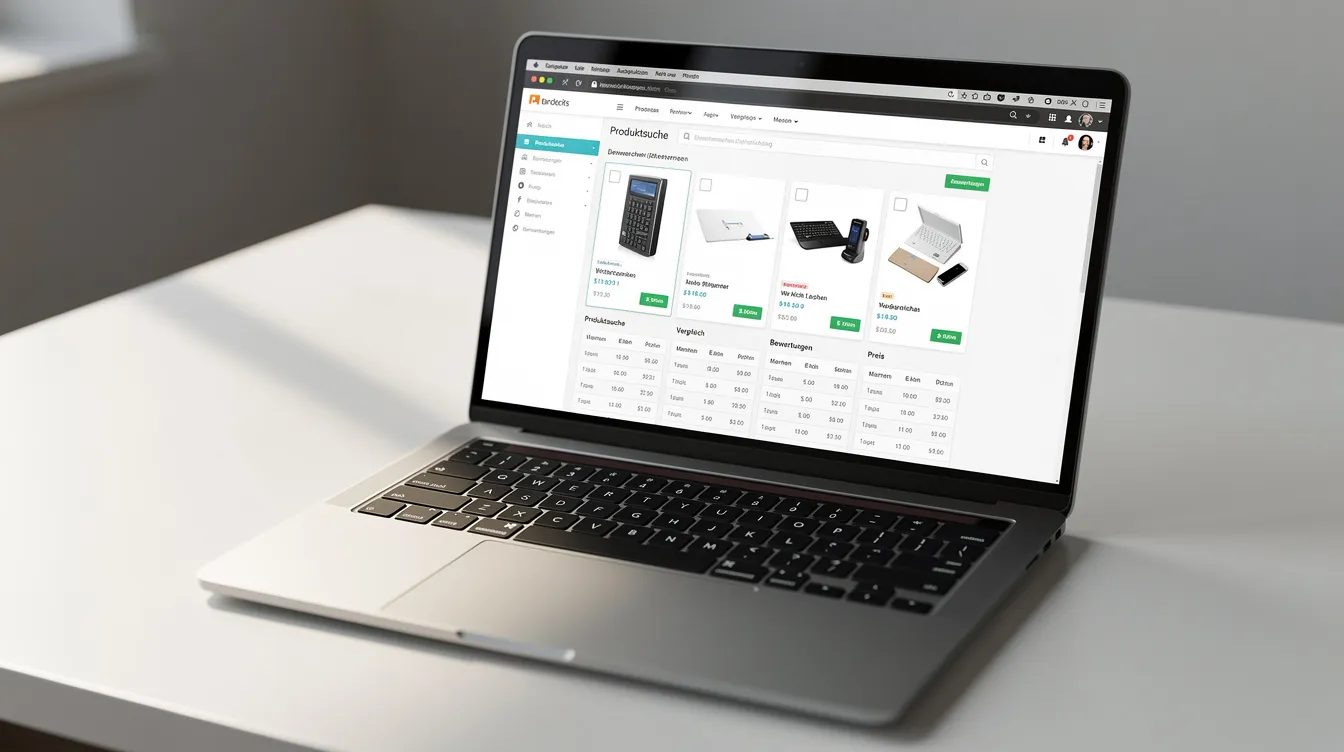
How AI Shopping works: From search query to specific product recommendation
AI shopping systems analyze product data, customer reviews, and web information to generate accurate product recommendations. AI systems like GPT-4o provide recommendations based on structured and accessible product data.
The process in a simple way:
- Inquiries via text, voice or photo, for example of a living room for furniture.
- Analysis of Schema.org, feeds, manufacturer websites, community questions and reviews.
- Output as product cards with image, price, availability, shop and star rating.
- One click often leads to the shop; paid slots and sponsorship will be added in the future.
According to Adobe, AI traffic to retail sites grew by 393% year-over-year; OpenAI describes Shopping Research as a feature that combines current prices, availability, and specifications (OpenAI).
What's changing for online shops: From SEO ranking to AI recommendation
Classic SEO remains important, but Generative Engine Optimization It expands upon this. AI-driven shopping environments prioritize the quality of product data over traditional SEO rankings: Product information must be machine-readable, complete, and consistent.
Google rankings, domain authority, trust flow and Ahrefs DR AI systems can help. However, they need to understand what a product actually does. Usually, only three to five recommendations appear. That's why product detail pages are becoming more important than simple category pages.
Only those who clearly structure their data and make it accessible to AI systems have a chance of appearing in AI-generated product recommendations.
AI shopping assistants in practice: From Amazon Rufus to ChatGPT
Shopping assistants and shopping consultants are changing how customers and consumers shop.
- Amazon RufusRufus is Amazon's AI shopping assistant that helps customers make informed purchasing decisions. Rufus is available on desktop devices and supports customers in Germany and Austria. The bot accesses product information, reviews, and community questions.
- Google & AI Shopping: Product Grids and AI Overviews display shops, prices, and ratings. According to Google, the Shopping Graph comprises more than 60 billion listings (Heise).
- ChatGPT: In the chat, users ask about office setup, outfits, or gift ideas. ChatGPT uses structured web content and links to online shops.
- Perplexity & Co: These tools combine search, product comparisons, and retailer data from the internet.
AI shopping assistants offer personalized product recommendations based on user queries. They can access product information, customer reviews, and community questions to provide accurate answers. Furthermore, they adjust recommendations in real time when product information such as price or availability changes.
Which industries particularly benefit from AI Shopping
Product categories requiring consultation are particularly gaining ground:
- Electronics & Technology: Smartphones, headphones, tools; clear information on battery life, warranty and compatibility.
- Fashion & Footwear: “Vegan sneakers”, “business outfit”, visual inspiration.
- Home & Living: Materials, construction, long-term use.
- Beauty: Skin type, allergies, ingredients.
The integration of AI shopping assistants is changing how products are discovered and recommended in stores, thereby indirectly increasing the demand for professional link building with premium backlinks.
Technical basis: How to make your product data AI-compatible
Structured product data is essential for visibility in AI-driven shopping environments. Using Schema.org elements helps make product information machine-readable for AI systems. Elements like Product, Offer, and AggregateRating make product names, prices, availability, and ratings machine-readable.
Check:
- Product, Offer, AggregateRating, SKU, GTIN, Brand.
- Consistent feeds for Google Shopping, marketplaces and price comparison sites.
- Attributes such as color, size, material, delivery time, sustainability.
- Robots.txt: Companies must ensure that AI crawlers can access their product pages in order to be included in AI recommendations.
- OpenAI, Google, Perplexity and other crawlers must not block important shop pages.
AI systems like GPT-4o require structured and machine-readable information to reliably recognize and categorize products. Detailed and consistent product data improves the chances of being identified and recommended by AI systems.
Content & Reviews: How AI truly understands your products
AI systems analyze customer reviews to identify valuable signals for product recommendations. Authentic customer reviews significantly influence AI product recommendations.
Don't write product descriptions for keyword stuffing, but for real-world expectations: benefits, uses, limitations, sizing advice, returns, compatibility. FAQs provide direct answers to typical questions. A review stating "Easy to assemble" or "Suitable for sensitive skin" can be more valuable to AI systems than a generic advertising slogan.
Getty Images, icons, podcasts, and social media material should also be consistent with the brand so that information does not appear contradictory.
From SEO to GEO: Generative Engine Optimization for AI Shopping
GEO ensures that generative AI correctly understands, cites, and recommends brands and products. Product visibility in AI-driven shopping environments depends on the quality and structure of the product data.
Backlinks remain important. AI systems pay attention to trust signals, mentions, expert articles, reviews, and solid authority. LikeMeASAP strengthens this foundation with Premium backlinks, DACH and international links, Disavow toxic links and offers for high-quality German backlinks as well as content marketing.
The quality of product data, trust signals, and technical preparation determines visibility in AI shopping results.
Concrete steps for retailers: How to start in the AI shopping era
- Conduct a technical SEO and data audit.
- Product catalog in Shopware, WooCommerce or Gambio standardize.
- Strengthen PDPs with SEO texts, FAQs and internal linking.
- Develop an evaluation strategy with follow-ups and a review scheme.
- Start building backlinks via magazines, blogs and industry portals.
- Set up monitoring for rankings, AI traffic, conversion, and product feeds.
Companies that invest in structured data and high-quality content will benefit from AI shopping in the long term.
How LikeMeASAP makes online shops fit for AI shopping
LikeMeASAP as an SEO agency with 15 years of experience in SEO, web design, content and link building helps shops in the DACH region not to leave the AI shopping era to the corporations.
Our services:
- Technical audits for WordPress, Shopware, Gambio and Ionos.
- Schema check, sitemap, page speed, robots.txt.
- Premium backlinks to improve DA, DR and Trust Flow.
- SEO texts for product pages, categories and guides.
- UX and web design optimization for mobile users.
AI is changing how products are discovered in e-commerce by offering direct product recommendations in chat interfaces. The introduction of AI shopping features allows users to receive product recommendations based on detailed queries without having to visit online stores.
FAQ about AI Shopping & AI Shopping Assistants
How quickly will AI shopping assistants replace the classic online shop?
They don't completely replace shops. The customer journey often starts via AI-powered assistants, but the purchase, brand, and service remain important in the shop.
Do I need my own AI tool or shopping assistant in my shop?
Not immediately. For small and medium-sized retailers, the first priority is ensuring that external AI systems can understand their website. Developing their own AI assistant becomes worthwhile once they have sufficient data and support requests.
How can I measure whether AI Shopping is already bringing me traffic?
Monitor referrers, branded searches, conversion rate, Google Search Console, and Analytics. LikeMeASAP creates customized dashboards for this purpose.
Is backlink building really still necessary for AI shopping if AI can "understand" content?
Yes. AI needs trust signals. Strong domains with a clean link profile are more likely to be cited and recommended.
What role does local SEO play in AI shopping?
A large one. Local queries like "Best bike shop in Munich" utilize reviews, Google Business Profiles, and structured LocalBusiness data.
Conclusion
AI shopping is changing the market, but it doesn't automatically favor the biggest players. Those who build a solid foundation of product data, content, reviews, and authority can win.
If you want to know how to make your shop more visible in AI Shopping, Google and ChatGPT, book a free initial consultation with LikeMeASAP now.